
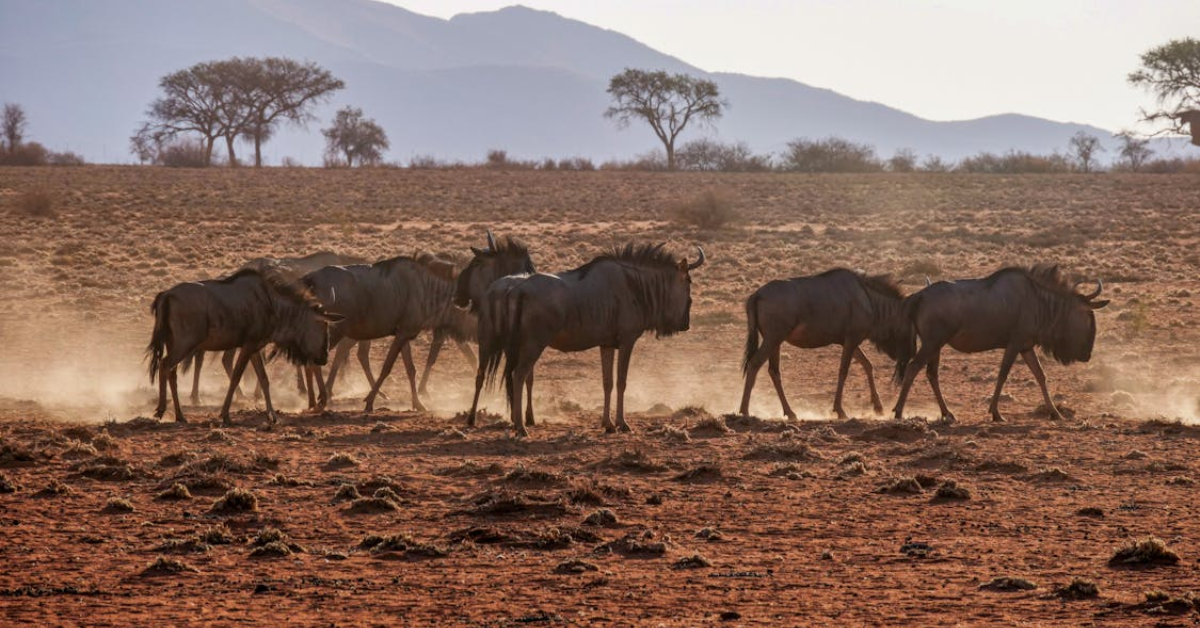
The Wildebeest Migration Masai Mara is one of the most spectacular wildlife events in Africa. Every year, millions of wildebeests, zebras and gazelles travel across the plains in search of fresh grass and water. This massive movement creates breathtaking scenes that attract thousands of visitors from around the world.
The migration is not just about numbers; it offers thrilling predator-prey interactions, dramatic river crossings, and unforgettable safari experiences. Planning your trip with www.pwaniholidays.com ensures you get the best opportunities to witness this natural wonder in comfort and safety.
Understanding the Wildebeest Migration.
The Great Migration is a continuous wildlife movement that spans Kenya and Tanzania. Over 1.5 million wildebeests follow a circular route between the Serengeti National Park and the Masai Mara National Reserve. Alongside them, thousands of zebras and gazelles travel together, increasing their chances of survival.
The migration is driven by seasonal rains and the availability of fresh grazing land. The herds move over long distances, covering nearly 1,800 miles annually. Predators such as lions, cheetahs, hyenas and crocodiles follow the migration closely. As a result, visitors witness intense wildlife action during game drives. The Masai Mara, with its open plains and river systems, provides some of the best viewing opportunities in the world.
Best Time to See the Migration.
Timing your safari is key to experiencing the Wildebeest Migration in full. The herds reach the Masai Mara during specific months, making certain periods ideal for wildlife viewing.
1. July to October – Peak Migration Season.
From July to October, the herds arrive from the Serengeti and spread across the Masai Mara plains. This is when the reserve experiences the most activity. The Mara River crossings during this period are the highlight. Thousands of wildebeests gather at the riverbanks before attempting to cross, while crocodiles lie in wait. The suspense and drama of these crossings create unforgettable moments for visitors and photographers. This period is the busiest, but it offers the best chance to witness the full spectacle of the migration.
2. August and September – River Crossing Highlights.
August and September are known for the most dramatic river crossings. Large groups of wildebeests face strong currents and predators, providing thrilling scenes. Visitors during this time witness survival moments that are truly unique. Photographers and safari enthusiasts prefer these months because the action is intense, and the herds are large. It is the ideal time to experience the migration at its most exciting.
3. October – Excellent Viewing with Fewer Crowds.
By October, some herds begin moving south, but large numbers remain in the Masai Mara. Wildlife viewing remains excellent, and game drives still offer spectacular encounters. Tourist numbers start to decrease during this period, providing a quieter, more relaxed safari experience. October is perfect for visitors who want a balance between good wildlife action and less crowded conditions.
Top Places to Watch the Migration.
The Masai Mara has several prime locations to view the migration, each offering unique experiences.
1. Mara River.
The Mara River is the most famous migration spot. Thousands of wildebeests attempt risky crossings here, creating dramatic wildlife moments. Visitors often see animals struggling against strong currents while crocodiles wait below. This area is ideal for photographers and wildlife enthusiasts seeking unforgettable scenes.
2. Central Masai Mara Plains.
The central plains host large grazing herds. Visitors can watch endless lines of wildebeests moving across the open savannah. The expansive landscapes make it easy to observe predators and prey interacting naturally. Game drives here are both thrilling and scenic.
3. Northern Masai Mara Conservancies.
Private conservancies in the north offer exclusive experiences. These areas have fewer vehicles and more personal encounters with wildlife. Visitors enjoy quieter surroundings while still being close to the migration routes. It is perfect for travelers seeking a more peaceful safari.
Wildlife Highlights During Migration.
During the migration, the Masai Mara becomes alive with wildlife. In addition to wildebeests, visitors encounter a wide range of predators and other animals.
- Lions hunt near migration routes, taking advantage of the herds.
- Cheetahs chase young wildebeests across the plains.
- Hyenas compete for prey and scavenge along the way.
- Leopards rest in trees near the plains, observing the movement below.
- Crocodiles lurk at river crossings, creating tense moments for animals and viewers.
Bird watchers also benefit from increased activity during this season, with many rare and colorful species appearing near rivers and open plains.
Tips for a Successful Wildebeest Migration Masai Mara.
Proper planning enhances your safari experience. Follow these tips to make the most of your visit:
- Book early, as migration season is very popular.
- Travel between July and September to see the most dramatic river crossings.
- Choose accommodation close to migration routes for better wildlife access.
- Carry binoculars and a good camera to capture wildlife moments.
- Follow your guide’s safety instructions during game drives.
Early morning and late afternoon drives often provide the best wildlife activity and lighting for photography.
Why Choose www.pwaniholidays.com for Wildebeest Migration Masai Mara
www.pwaniholidays.com offers expertly planned safari packages across Kenya. Their team provides:
- Experienced safari guides who know the migration patterns.
- Comfortable safari vehicles for long drives.
- Flexible packages to suit luxury or budget travelers.
- Opportunities to combine wildlife safaris with Kenya’s coastal destinations.
- Personalized planning to ensure a smooth and memorable experience.
With their expertise, travelers witness the migration in the best locations and enjoy the adventure safely and comfortably.
Conclusion on Wildebeest Migration Masai Mara.
The Wildebeest Migration Masai Mara is one of the world’s greatest wildlife spectacles. Millions of animals traverse the plains each year, creating dramatic predator-prey interactions and unforgettable moments. The best time to witness this incredible event is between July and October, with August and September offering the most action.
Booking your safari with www.pwaniholidays.com ensures a well-organized adventure where you experience the full magic of the migration, enjoy comfortable accommodations and capture memories that will last a lifetime.